Reelr.tv · I Built the Tuner (2010 - 2011)
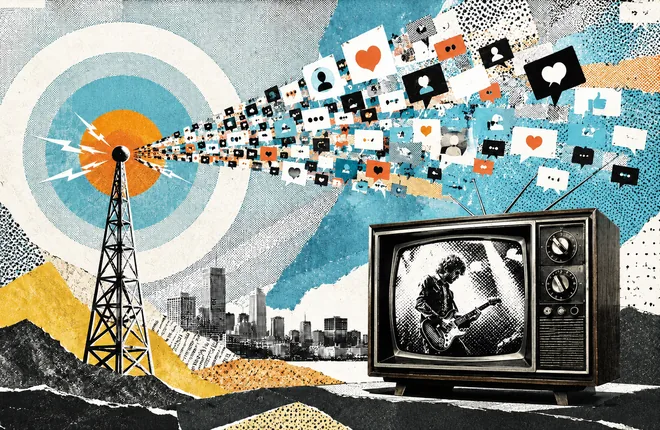
Everybody in 2010 looked at Twitter and saw conversation. I saw a broadcast signal that nobody had built a receiver for, because thousands of people were announcing what they were playing, right now, in public, with a hashtag on it. Reelr turned those tweets into live music television, years before algorithmic feeds made "the crowd programs the channel" an obvious idea. I founded it, designed it, and shipped it.
TL;DR
- The idea came out of a small annoyance: I was tweeting about a song, and not one of my followers could actually hear it.
- Twitter read as chatter to everyone else. I read #nowPlaying as a station identification, broadcast in real time by thousands of people at once.
- Reelr gathered every #nowPlaying tweet and turned it into a live video music channel, programmed by the crowd rather than by an editor.
- YouTube was the library, because in 2010 it was the only music catalog that was both free and legal. You don't need a catalog, you need a pointer to one.
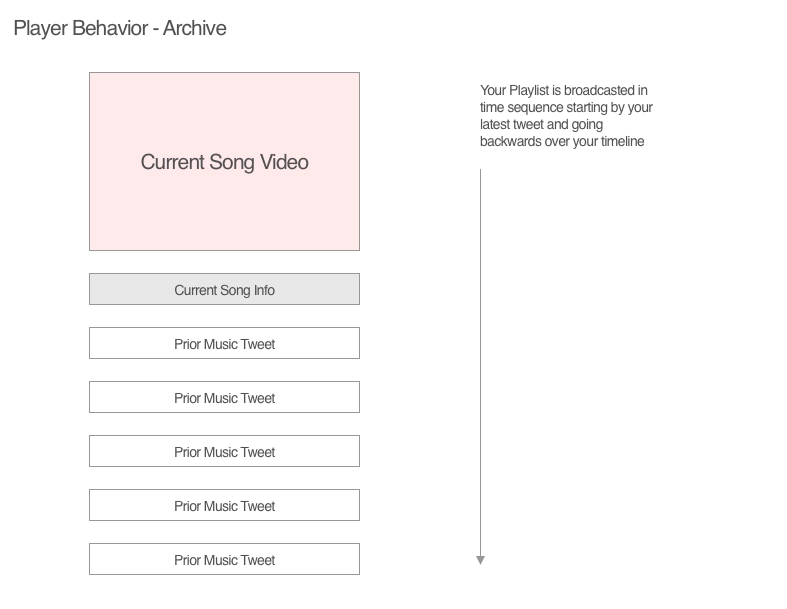
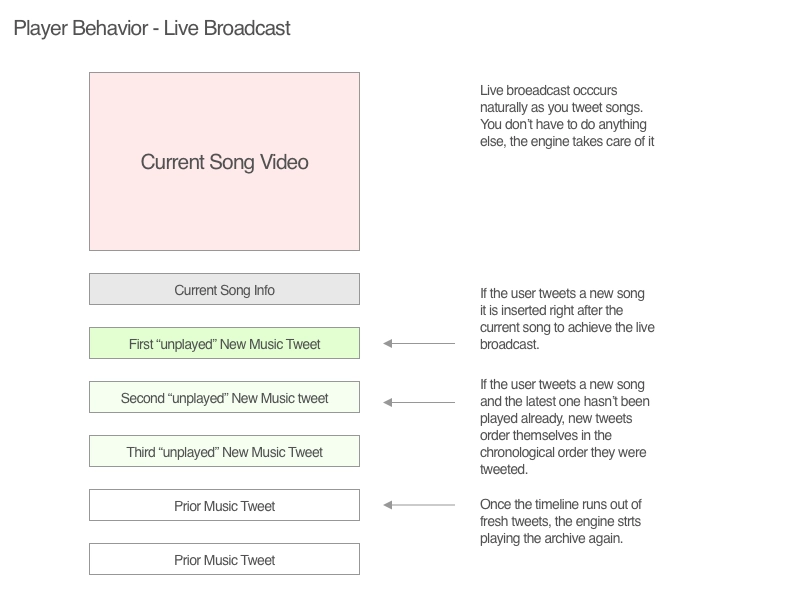
- The player shipped two behaviors, broadcast and archive, because a live channel and a list of songs want opposite things from you.
- The BBC covered it. Mashable covered it. Viacom's lawyers objected to the original name, MTweeV, which is its own kind of review.
MTV is dead! Long live MTweeV!
The idea arrived the way most of my ideas arrive, out of a small annoyance that would not leave me alone. I was tweeting about a song. My followers could read the name of the song. Not one of them could hear it. That gap just sat there being ridiculous, and there it was, the inception had taken place.
The signal nobody was tuning into
Here is what everyone saw in 2010: Twitter is where people talk. Short messages, a lot of noise, some news, the occasional celebrity. Conversation.
Here is what I saw. At any given second, thousands of people were announcing what they were playing right now, in public, in real time, and politely tagging it so a machine could find it. #nowPlaying. That is not chatter, that is a station identification. The transmitter was already built, already powered on, already broadcasting to the whole planet, and nobody had bothered to build the receiver.
So Reelr gathered every tweet carrying that hashtag and turned it into a real-time video music playlist. The crowd programmed the channel. Today your feed does exactly that and nobody blinks, but in 2010 the notion that an audience could be the program director, live, with no editor in the middle, was strange enough that the BBC came to film it.
Why YouTube
Every music startup in 2010 was drowning in the same swamp: licensing. You want to play songs, so you need a catalog, so you need the labels, so you need lawyers and money and eighteen months before anybody hears a note.
I did not have any of that, and it turned out I did not need it. YouTube was the only free and legal music library there was around, sitting right there, fully licensed by somebody else. So the mashup wrote itself: Twitter tells you what is playing, YouTube plays it. Neither service was built for this and that is exactly the good part, because you do not need to own a catalog when what you actually need is a pointer into one.
There was nothing to copy
Was anybody else doing this? No. There were streaming music startups around, Turntable.fm and Spotify among them, and Spotify is the only one of that whole cohort that survived, but none of them was doing the thing. So the question stayed pleasantly simple the whole way through: what would Twitter look like if it could play your tweets, live?
Broadcast or archive
This is where the metaphor stopped being decorative and started making decisions for me. A broadcast has one property that a playlist does not: you cannot skip it, because it is happening whether you are watching or not, and that is the entire reason tuning in feels like anything at all. But a stream of tweets is also just a list, and a list wants to be browsed.
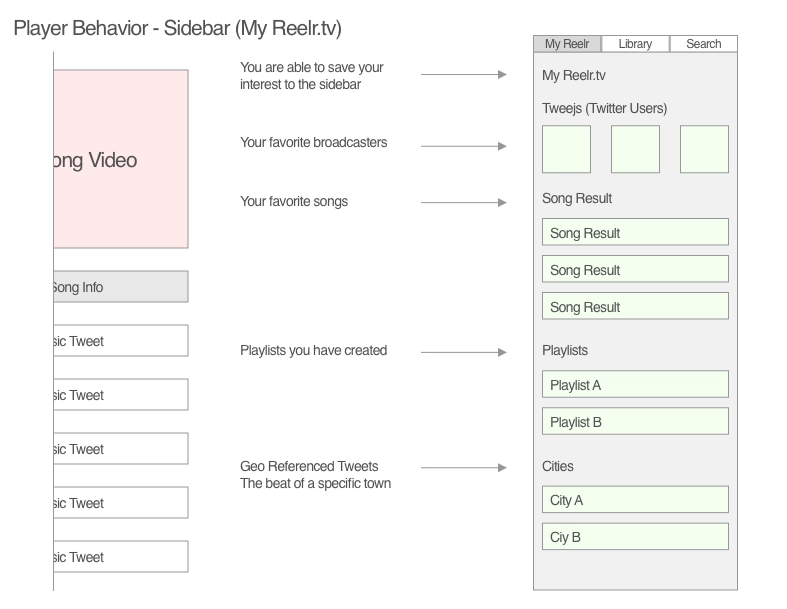
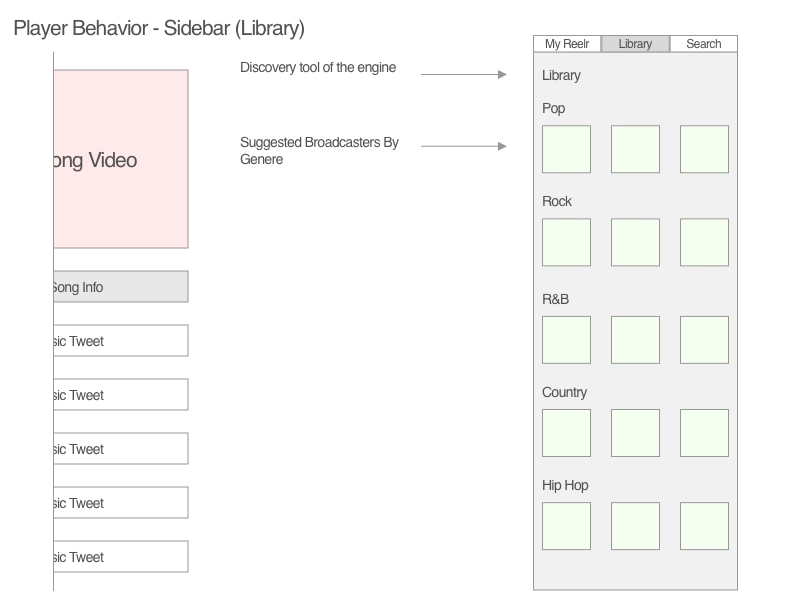
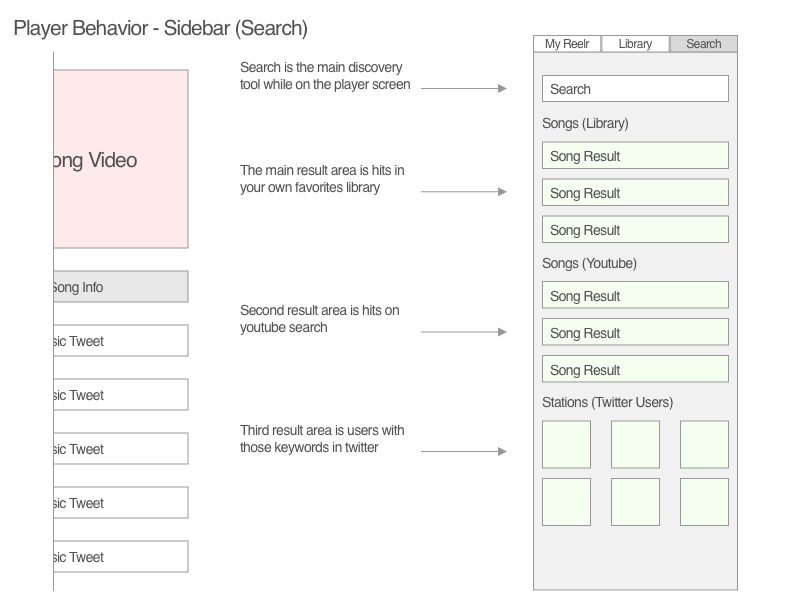
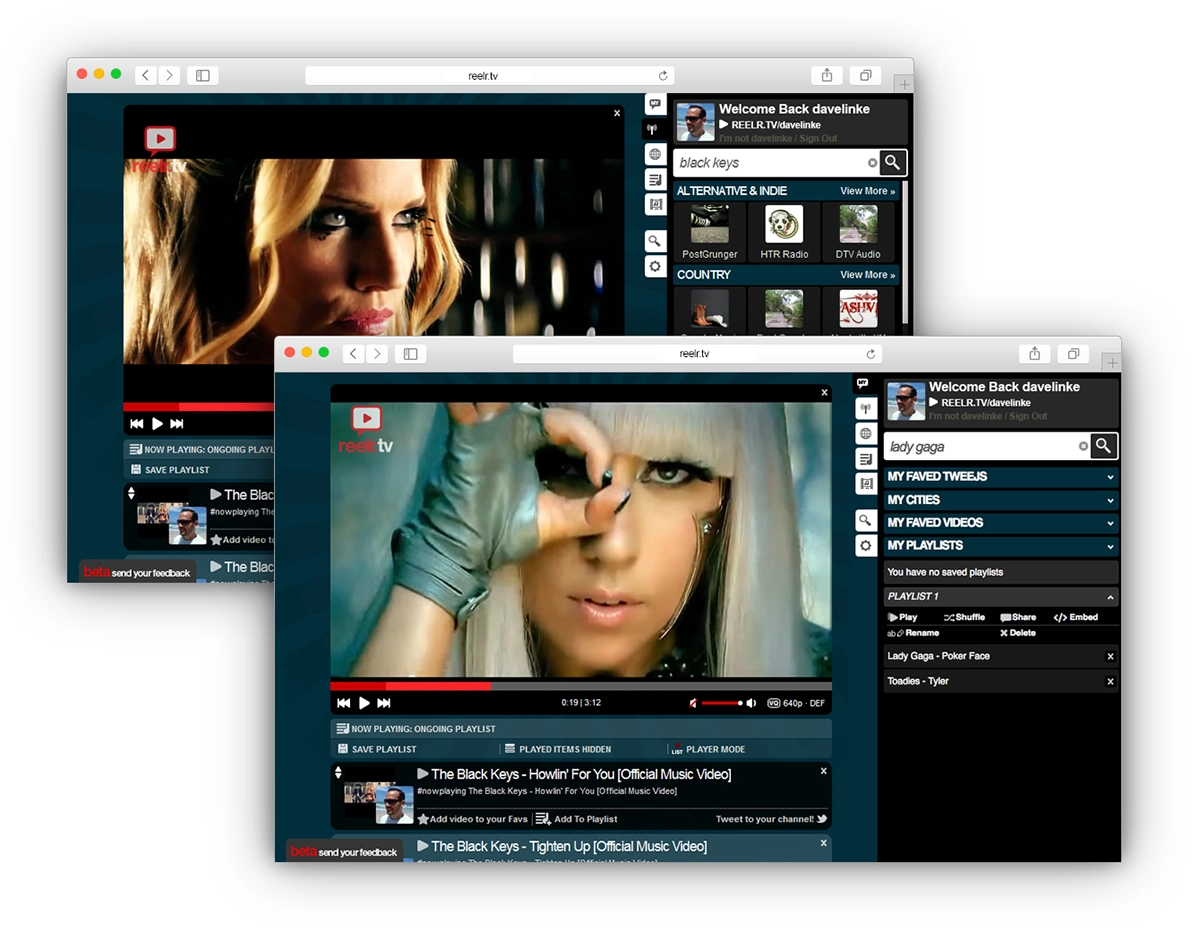
Both are true, so the player got two behaviors instead of an argument. Broadcast, where you tune into whatever the crowd is playing at this second and take it as it comes. Archive, where you go back through what the channel already played and act like it is a library. The sidebar carried the rest: your own Reelr, the library, and search.
Video Music for the masses.
BBC review on Reelr.tv
Viacom's lawyers had notes
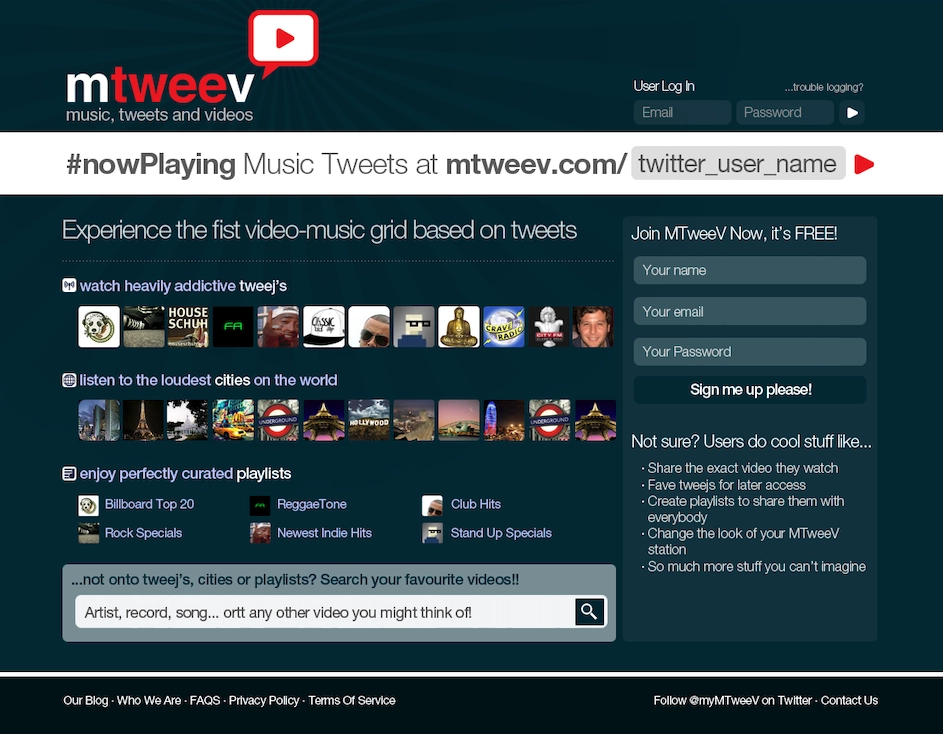
It launched as MTweeV. MTV, Twitter and TV folded into one word, which I thought was rather clever and which Viacom's legal department thought was something else entirely. They objected. And honestly, I have never received a clearer signal that a name is working than a letter from the lawyers of the company you are naming yourself after. So MTweeV became Reelr.tv, and the product did not change by a single pixel.
What I keep from all of this is not the coverage, pleasant as it was. It is that the signal had been public the entire time, sitting in the open where anyone could read it, and the only thing standing between it and a product was somebody deciding to point a receiver at it. That, in my experience, is most of what building actually is: noticing the thing that is already there.